Shed & Garage Power on the Sunshine Coast
Lights and power in a shed, a submain and underground cable from the house, workshop circuits for serious tools, three phase for machinery and welders, and an EV charger in the garage. Wired and tested by a licensed Sunshine Coast electrician.
Free estimate within 1 business day of receiving your photos. We can't estimate without photos, and we don't visit to estimate. If your photos can't settle it, we'll tell you why and book a paid visit at our standard call-out rate.


SAA S6093214
MEA member 23598 · QLD licence 92489
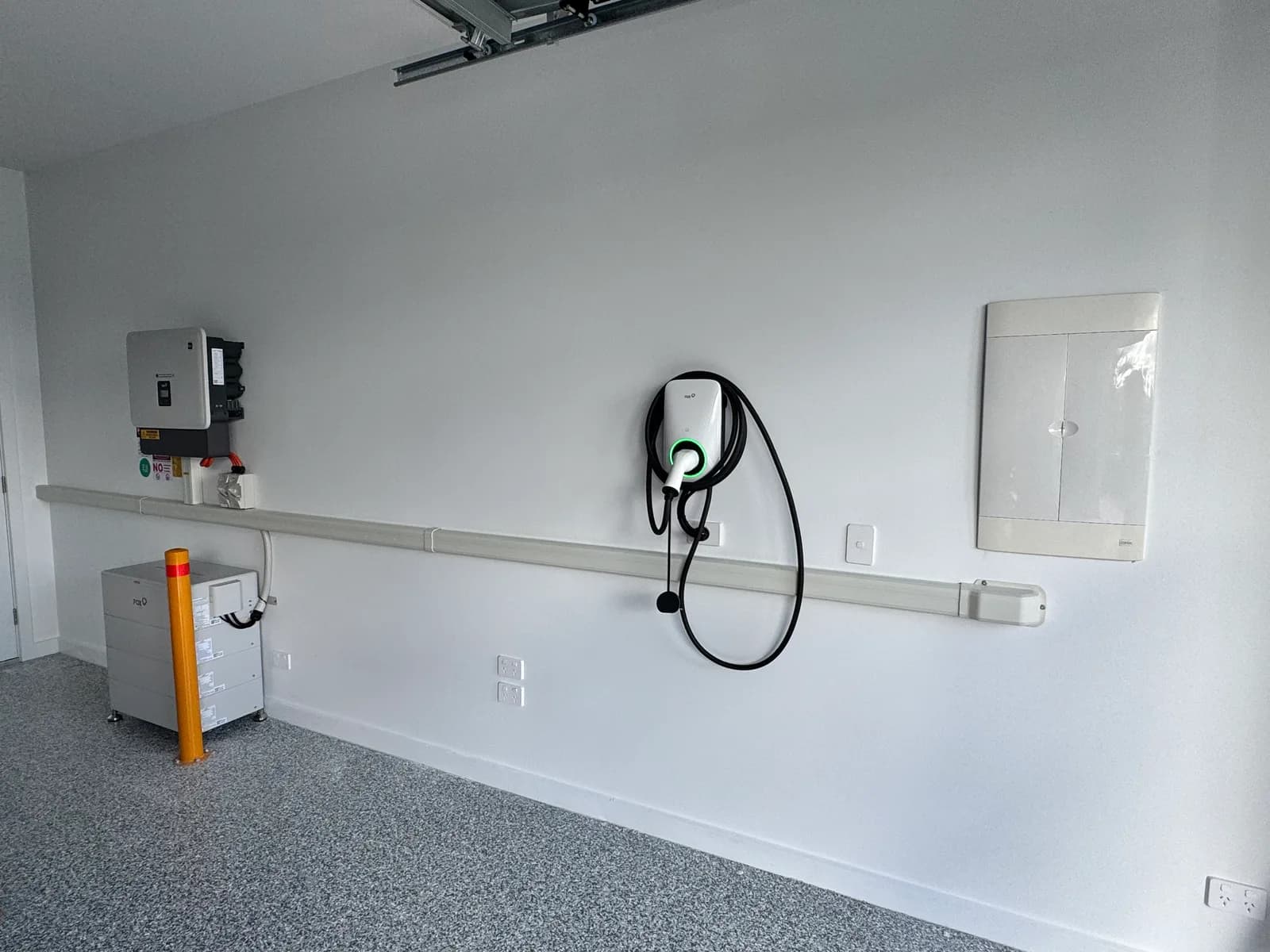
Nuvolt Electrical Solutions runs power and lighting to sheds, garages and workshops across the Sunshine Coast and hinterland, including subboards and three phase supply for machinery, so nothing has to run off an extension lead. The work is done by a licensed electrician (QLD Lic 92489) working from our Nambour workshop.
A shed or garage without proper power ends up running on an extension lead from the house, which is how leads get crushed in doors, overheat on a coiled reel and get cut by the whipper snipper. Proper power means a supply sized for what you will actually run, a subboard with its own protection, cable buried or run the way the wiring rules require, and lights and outlets where the work happens. Nuvolt wires sheds, garages and workshops across the Sunshine Coast, from a few lights and power points in a garden shed to a full workshop with welders, compressors, three phase machinery and an EV charger.
From Garden Shed to Full Workshop
We size the supply for how you will use the space in five years, not just what is plugged in today.
Lights and power points
Bright LED battens so you can see what you are doing, power points along the bench and by the door, weatherproof outlets outside, and switches where you walk in. A garage attached to the house can often be fed from an existing or new circuit on the main switchboard.
Submains and subboards
A detached shed is normally fed by a submain: a cable from the main switchboard to a small subboard in the shed with its own circuit breakers and safety switches. A fault in the shed then usually trips in the shed rather than taking out the house, and there is room to add circuits later without running new cable.
Underground cabling
Getting power across the yard usually means cable in conduit underground. The depth, cable type and protection are set by the wiring rules and depend on the route, so we specify the trench before anyone digs. Once existing services, including private cables and pipes, have been located, we can dig the trench as part of the job, or you or an excavation contractor can dig it to that specification. Either way we check it, lay the conduit and cable, and connect both ends.
Workshop circuits and three phase
Welders, compressors, table saws and dust extraction need dedicated circuits sized to the machine, sometimes with higher rated outlets. If the property already has three phase supply, we can run it to the shed for three phase machinery. If it does not, upgrading is a change to your network connection, and we handle the electrical contractor's side of that application with Energex.
What Proper Shed Power Includes
The difference between shed power that lasts and shed power that trips, overheats or gets dug up:
- A supply sized for the biggest things you will run at the same time, not just today's tools
- A subboard in the shed with its own circuit breakers and safety switch protection
- Underground cable of the right type, in conduit, at the depth and protection the wiring rules call for
- Existing underground services, including private cables, located before any digging starts
- Dedicated circuits for welders, compressors and machinery, with outlets rated to match
- Weatherproof fittings where rain, dust and hoses reach, and cable protected from vehicles and vermin
- Room left on the board for an EV charger, solar or future circuits
Dealing directly with a licensed contractor (Lic# 92489), not a call centre or a commission salesperson.
Australian owned and operated. Local crew on the Sunshine Coast. No overseas call centres.
The shed is not ours, the power is
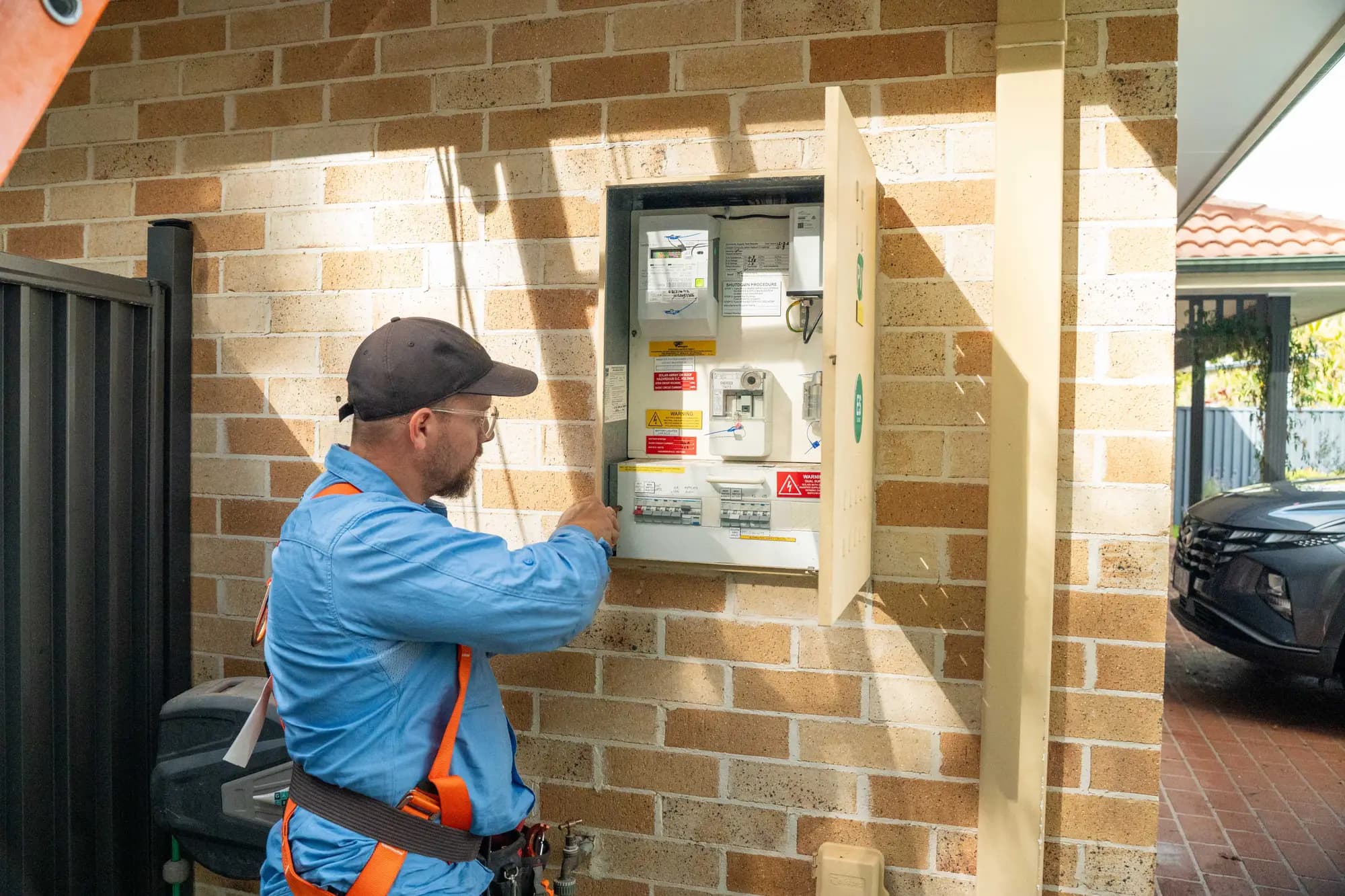
We do the electrical work, and we can dig the trench for it. The shed itself, its slab and any building approval sit with your shed supplier or builder, which keeps each trade doing what it is licensed for. Once existing services, including private ones, have been located, we dig the trench, or you or an excavation contractor can dig it to the route and depth we specify. Our part is making sure the conduit, the cable, the subboard and the connection back to the house are right before the trench is backfilled and the walls are lined.
An EV charger in the garage
If an electric car is in your plans, the garage is where the charger goes, and it is far easier to allow for it now. A home EV charger is hardwired on its own circuit, sized to the charger, and your switchboard needs the capacity to carry it. When we wire a garage, or run a submain to a shed that will house a car, we size it with the charger in mind. Our EV charger installation page has the details and its own online booking.
Planned, Wired & Tested
Send Details
Tell us what you want to run. We send you a secure link to upload photos of the shed or garage, the switchboard and the route between them.
Free Estimate
A written estimate within 1 business day of receiving your photos covering the supply, cable route, subboard and circuits, with the trench specification where required. Confirmed before anything is ordered.
Install
Conduit and cable laid in the checked trench, the subboard mounted, circuits, lights and outlets fitted, and the supply connected at the main board.
Test & Certify
Every circuit tested, safety switch operation confirmed, the subboard labelled, and an electrical certificate provided where required.
Shed & Garage Power Questions
Straight answers on getting power to a shed, underground cable, workshop circuits, three phase and garage EV chargers, from the licensed contractor doing the work.
Can I just run an extension lead to my shed?
For an afternoon with a hedge trimmer, a sound outdoor rated lead from a safety switch protected outlet is fine. As permanent power it is a bad idea: leads get crushed in doors, overheat on a coiled reel, get chewed and get left out in the rain, and running a heater, compressor or welder through one is asking for trouble. If a lead has become the shed's power supply, the shed needs a proper one.
How is power run to a detached shed?
Usually as a submain: a cable from your main switchboard, run underground or along another suitable route, to a small subboard in the shed with its own circuit breakers and safety switches. The cable is sized for both the load and the distance, because long runs lose voltage. From the subboard we wire the lights, power points and any dedicated circuits the shed needs.
How deep does underground cable to a shed need to be?
There is no single answer, which is why we specify it rather than guess. The depth and protection required are set by the wiring rules and depend on the type of cable, whether it is in conduit, and what sits above it, such as lawn, garden beds or a driveway. Before anyone digs, existing underground services should be located. Before You Dig Australia provides plans for free, but those show network services only, not private cables and pipes on your own property, such as power to a pool pump or an existing shed, so those need locating too. We can dig the trench ourselves, or give you or your excavation contractor the route and depth and check the trench before the cable goes in.
Do I need a separate circuit for a welder or compressor?
For anything serious, yes. Welders and larger compressors draw heavy current when they start and while they work, and on a shared circuit they trip breakers or starve everything else on it. We look at the machine's rating plate and the manufacturer's supply requirements, then run a dedicated circuit with the right protection and a matching outlet. Some bigger machines are three phase only, which is its own question.
Can I get three phase power to my shed?
If your property already has three phase supply, usually yes: we run a submain with enough capacity from the main board to a three phase subboard in the shed. If the property is single phase, getting three phase means changing your network connection. That starts with an electrical contractor, who assesses the site and lodges the application and electrical work request with Energex. Your electricity retailer then requests the change and may contact you about metering charges and other costs. Those can sit outside our quote, so we flag them up front.
Can you put an EV charger in my garage?
Yes. A home charger is hardwired on its own circuit sized to the charger, and the switchboard needs the capacity for it. If we are already wiring the garage, or running a submain to a shed that will house a car, we allow for the charger at the same time so nothing has to be redone. For charger options and booking, see our EV charger installation page.
Do new shed and garage circuits need safety switches?
They should always have them. In Queensland, when a home's installation is extended with additional lighting and power point circuits, both must be protected by safety switches, and the Electrical Safety Office recommends safety switches on every circuit in the home. In a shed full of power tools, damp floors and leads, that protection is doing real work.
How do I get a price?
Ask for a free estimate online and tell us what you plan to run and how far it is from the house. We send you a secure link to upload photos of the shed or garage and your switchboard. The estimate comes back within 1 business day of receiving your photos.
Ready to Power the Shed Properly?
Sheds, garages and workshops wired, protected and tested by a licensed Sunshine Coast electrician. Free estimate from your photos, back within 1 business day of receiving them.
Where we do this
We wire sheds, garages and workshops across the Coast and hinterland, from suburban garages to farm sheds on acreage blocks.